 Viveka
 I know this one from the inside. I built a career, checked the boxes, and built an international brand on LinkedIn back when almost nobody in my industry took the platform seriously (the whole story is here) — and then the work that used to light me up started to feel like a cage, and I did the exact thing I now tell my clients not to do: I threw the baby out with the bathwater and ignored my own LinkedIn and tech expertise for a full year before I invited it back in. Reinvention, it turns out, is reassembly, not erasure. Here is the full map, in eight parts.
Why does achievement start to feel like a cage in your fifties?
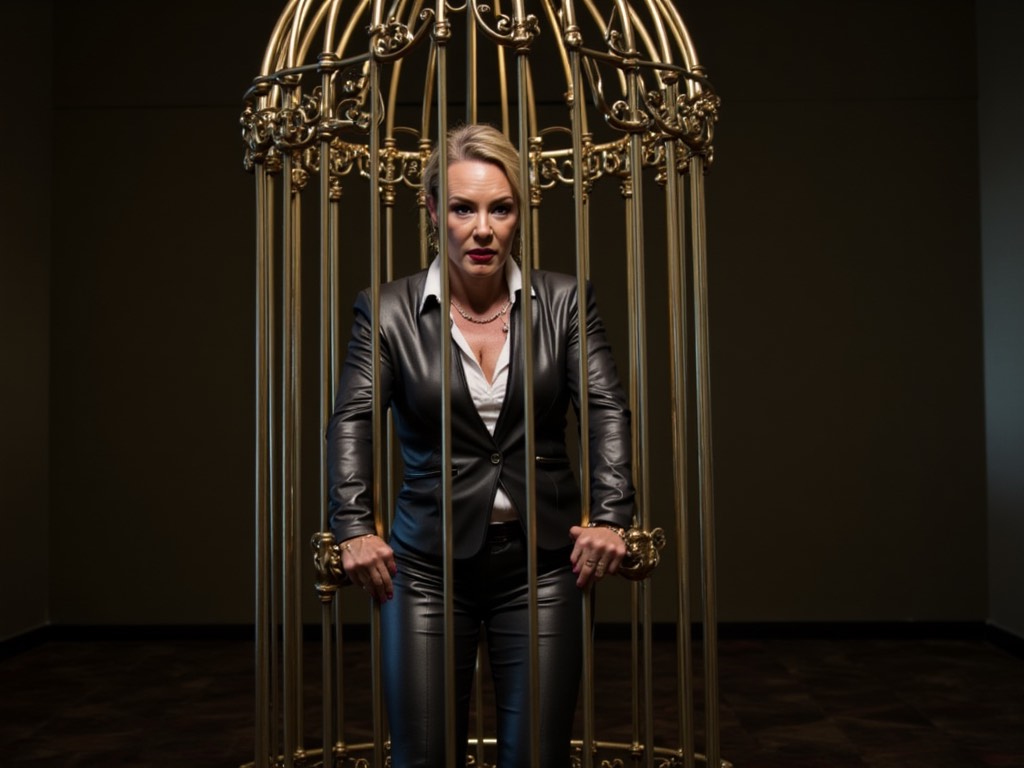
Achievement starts to feel like a cage because you have outgrown who you were trained to be, and that polished, competent version of you — the Teflon Business Suit that nothing sticks to anymore, including joy — stops fitting somewhere around your fifties. What most women call burnout is usually constriction, and the difference matters, because constriction is not something wrong with the work, it is a signal that you are ready to create from who you have actually become. That is not failure. It is evolution, and it is worth listening to instead of medicating with one more productivity system.
Why does leaving familiar success feel so destabilizing?
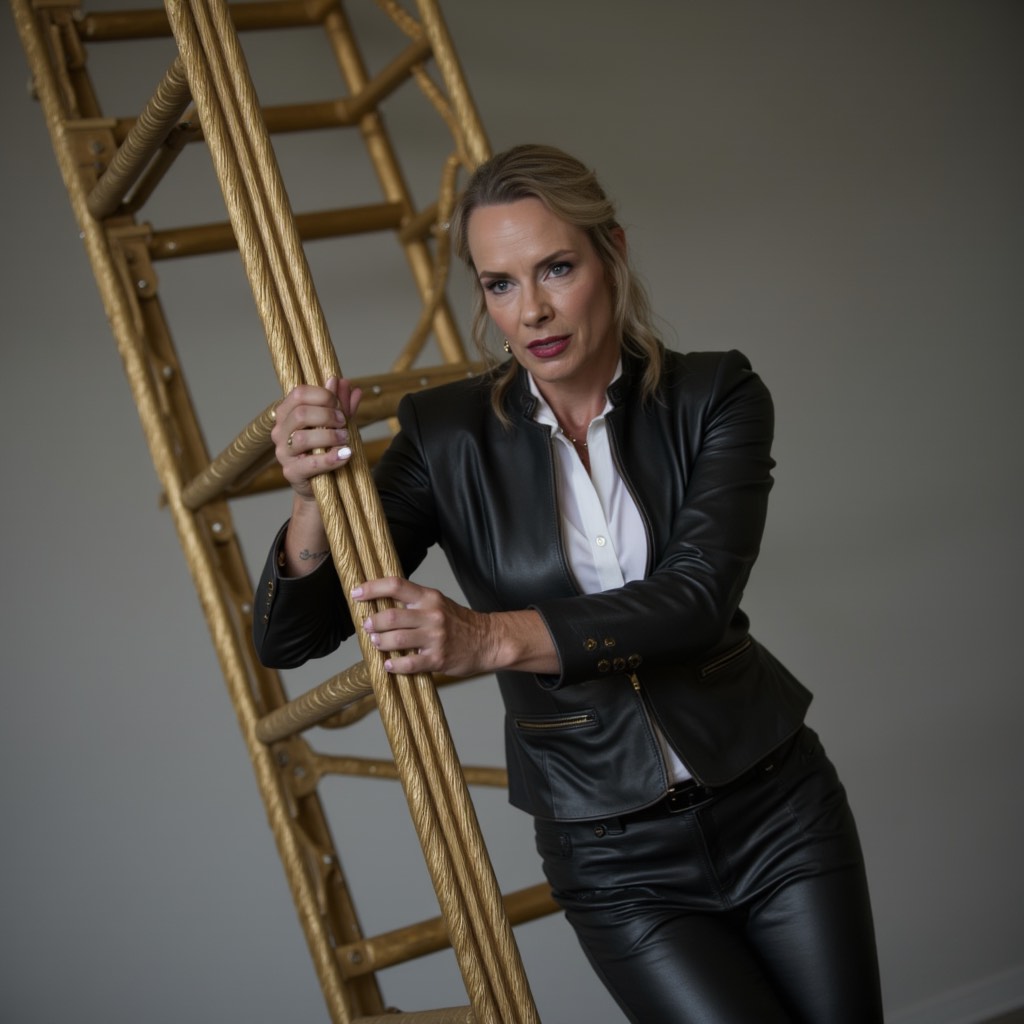
Leaving familiar success feels destabilizing because the very structure that once gave you purpose eventually starts to curl around you — the ladder that lifted you begins to crowd you, and you cannot climb fast enough or hang on hard enough to make it comfortable again. That discomfort is not a sign you are doing it wrong. It is transition, plainly, and the ground feels unstable because you are genuinely standing between two things: the identity that is finished and the one that has not formed yet.
What do you do in the in-between, before the next thing is clear?

In the in-between you get curious instead of rushing, because clarity does not arrive on command — it shows up after you have let yourself be still in the space between who you were and who you are becoming. I fly hang gliders, so I know the exact feeling of the freefall right after you leave the cliff, before the wind fills the wing, that half second where part of you is thinking OH SH*T and the other part is already going woooohoooo. The liminal zone is that instant stretched out over months, and the work is trusting it long enough for the wing to fill instead of grabbing at the first identity that floats past.
Is imposter syndrome insecurity, or is it conditioning?

Imposter syndrome gets called insecurity, but that is not quite it — it is conditioning, the old Who do you think you are? soundtrack still playing from decades of being told to wait your turn. Every woman I work with has those moments, and I include myself in that. The way through is not arguing with the self-doubt, it is acting from the evidence — the impact you have already had, the results already on the record — instead of negotiating with a voice that got installed a long time ago. (I wrote more about rebuilding that authority where people can actually see it over on the LinkedIn side of things.)
Why do experienced women discount their own expertise?
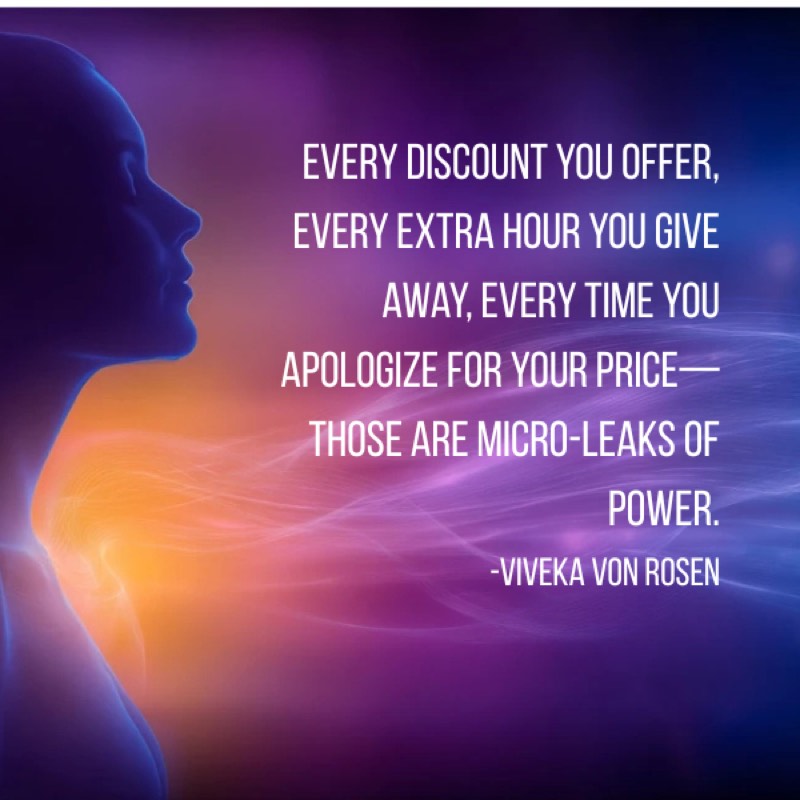
Experienced women discount their expertise because decades of being asked to stay modest show up in the small stuff — in how you price, how you hedge your language, and where your boundaries quietly collapse — long before you notice you are doing it. Raise your hand if you have undercharged for the thing you are best at (guilty). Recalibrating does not mean turning into someone brash, it means pricing and speaking from the real weight of what you know, which after twenty-plus years is a lot. Your corporate experience is premium inventory, not baggage.
How do you turn the mindshift into an actual business?
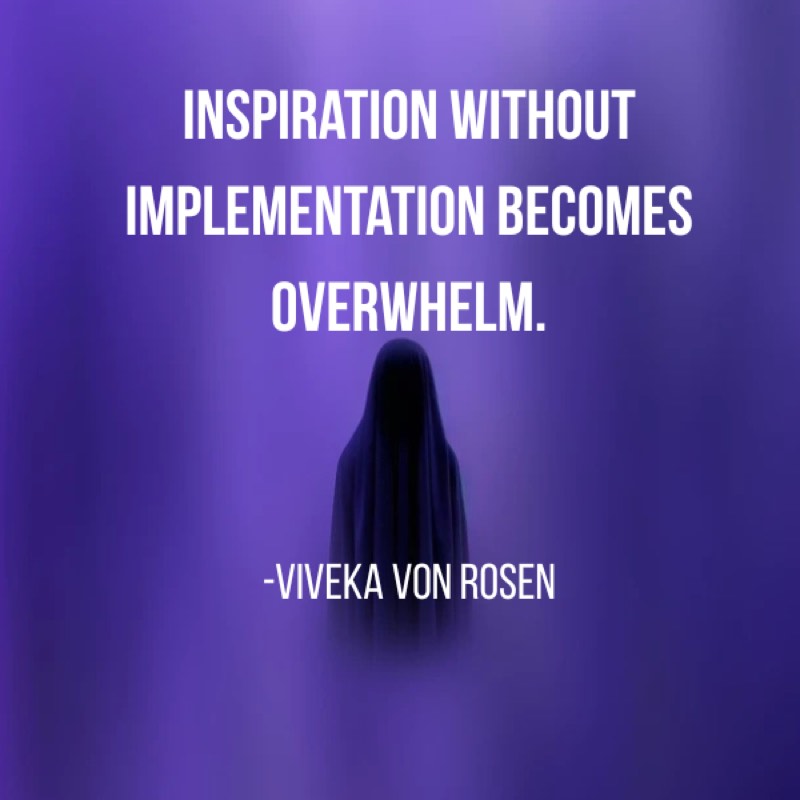
You turn the mindshift into a business by not letting it stay in your head — the insight is where it starts, and then audience, offers, marketing, sales, and a couple of real systems are what make aligned work sustainable. The move from corporate to your own thing begins inside, and then it has to leave the building. This is the part most reinvention content skips, because feelings are easier to write about than funnels, but a legacy business needs both the clarity and the plumbing (which is most of what I walk women through in the ways we work together).
Which technology actually amplifies your voice without draining you?

The technology worth your time is the technology that extends your voice instead of diluting it — a few tools that genuinely move the needle, not a rabbit hole of shiny apps you half set up and abandon. This is my favorite part, because I am a giant tech nerd and I love this stuff. AI is smoother than you will ever be, creamier and breezier and all of it, and your sharp edges are the entire point, so the goal is using it to sharpen your voice, not sanding it off to sound like the robot.
What does success actually look like in your second act?

In your second act, success has less to do with proving and more to do with sharing — the work shifts from extraction to contribution, and from titles to legacy. Somewhere between leaving what no longer fits and building what finally does, the point of the whole thing changes on you. You have less to prove and more to give, and that turns out to be the most productive place I know of to build from. If something in this put words to what you have been feeling, you are not late and you are not broken — you are right on time.
Isn’t this just “burn it all down and start over”?
No — this is the opposite of burning it down, and start-over is the advice I would argue with hardest, because it is usually how accomplished women lose the most valuable thing they own. Reinvention here is reassembly: you take the puzzle pieces of the skill base you already have and put them together into something new, rather than tossing them out to begin from zero. What I would do instead of starting over is inventory what you have already built — the expertise and the relationships that took decades to earn — and reassemble it around who you are now. I lost a year to the start-over instinct once, so you do not have to.
How do you turn all of this into an actual plan?
This question is why I built VIOS — the Visibility Infrastructure OS. It’s the IP I developed over years of doing this work with women one at a time, reassembled into an operating system I can walk you through in about two hours, and you come out the other side with the actual documents in your hands: a marketing plan, a monetization plan, a sales plan, your positioning, and a revenue roadmap you can run without me standing next to you.
And because of vibe coding — building real software by describing what you want to AI, which I am exactly nerd enough to love — the output no longer stops at documents. The same process can now hand you the physical pieces too: a website, an app, a questionnaire sales page. The kind of build I used to send clients elsewhere for (read: expensive), we can generate as part of the work. If the eight parts above describe where you’re standing, VIOS is the fastest route I know from constriction to something real.